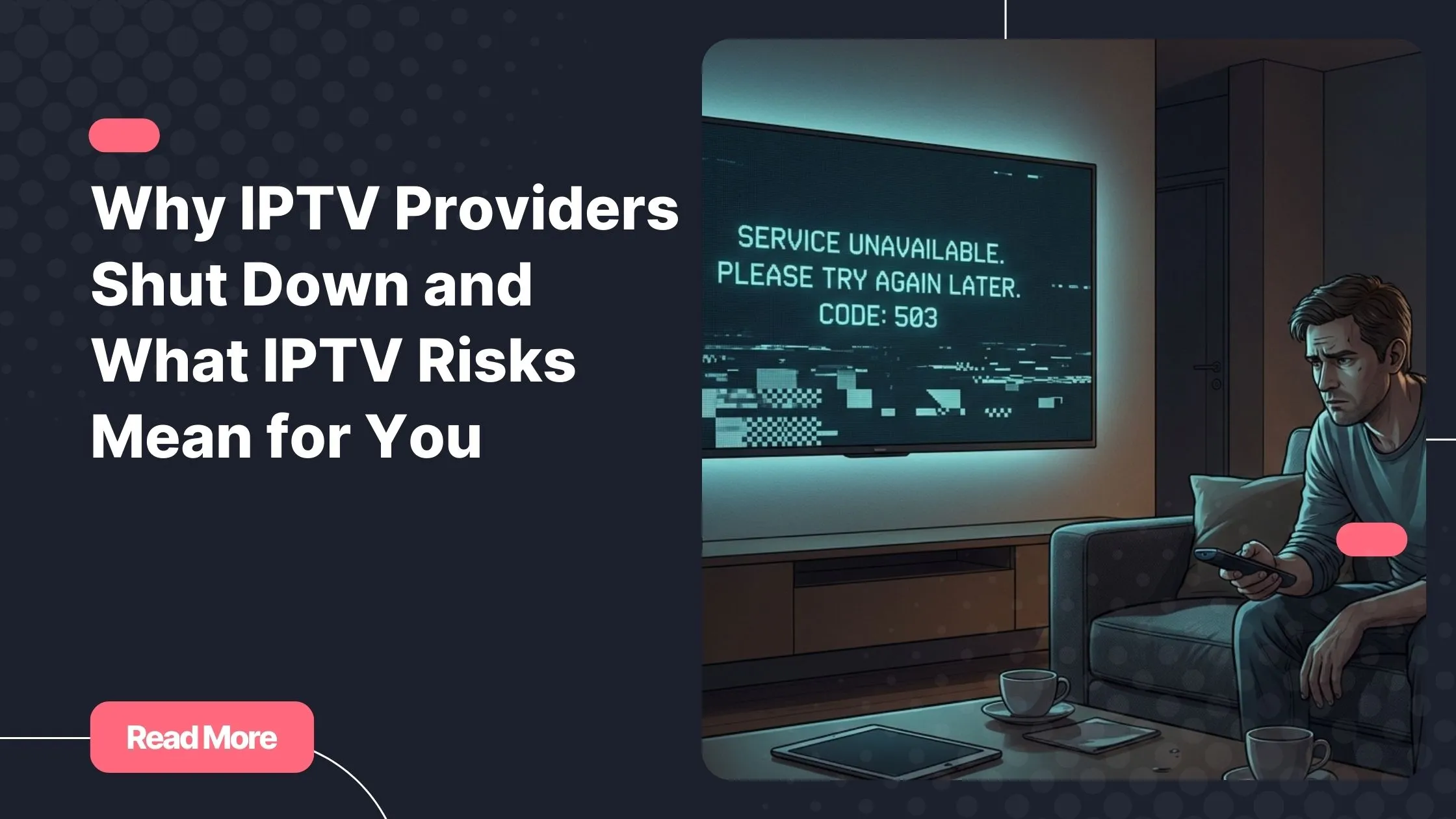
You sit down after a long day, remote in hand, expecting your favorite channels to load. Instead, you see an error screen. No signal. No update. No explanation. Moments like this are becoming more common as iptv providers shut down without warning, leaving viewers confused and frustrated.
If you rely on IPTV for live sports, international channels, or on-demand entertainment, this uncertainty hits close to home. Many users only realize the fragility of their service when it suddenly disappears. That is why understanding the reality behind these shutdowns matters, especially if you are searching for a best iptv provider you can actually trust.
This guide walks you through what is happening in the IPTV world today, why services disappear, and how you can protect yourself from service interruptions, lost money, and unnecessary stress.
Table of Contents
Recent IPTV shutdown news and why it matters to you
Over the past few years, reports of iptv providers shut down have increased across Europe, North America, and beyond. Authorities, broadcasters, and internet service providers are working together more aggressively than ever to limit unauthorized streaming. While these actions target operators, the immediate impact is felt by you, the viewer.
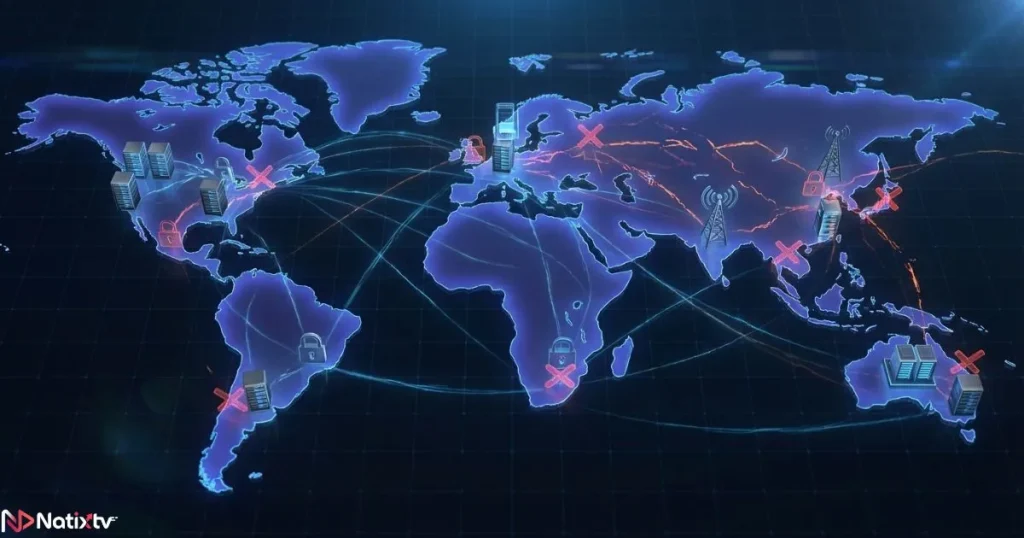
Most shutdowns do not come with public announcements. Services often vanish overnight, domains stop working, apps fail to connect, and support channels go silent. This sudden loss creates uncertainty and highlights the importance of choosing IPTV services carefully.
Why shutdowns feel sudden from the user side
- No obligation for illegal providers to notify users
- Servers and domains can be seized instantly
- Payment accounts are often frozen without notice
From your perspective, it feels like the rug has been pulled out from under you, even if the warning signs were there all along.
Why IPTV providers are being shut down
To understand why iptv providers shut down, you need to look at the forces shaping the streaming landscape. This is not random. It is the result of legal, technical, and financial pressure.
Copyright enforcement and broadcasting rights
Television networks and sports leagues invest billions in content rights. When IPTV services rebroadcast that content without permission, they become direct targets for enforcement. Laws vary by country, but the trend is clear: tolerance is shrinking.
Infrastructure vulnerabilities
Many IPTV services rely on unstable hosting environments. When servers are seized or hosting providers receive legal notices, access disappears instantly. This is one of the most common reasons iptv providers shut down with no recovery path.
ISP blocking and network-level restrictions
In some regions, internet providers actively restrict access to known IPTV platforms. This results in IPTV blocked services that appear online but are unreachable from your network.
How IPTV shutdowns directly affect you
When iptv providers shut down, the consequences go far beyond missing a few channels. The effects are practical, financial, and sometimes personal.
Immediate loss of access
Your playlists stop loading. Apps time out. Even devices that worked perfectly yesterday become useless today. There is rarely a workaround.
Financial loss without refunds
Annual subscriptions are particularly risky. When a provider disappears, so does your payment. There is usually no customer support, no dispute channel, and no refund policy.
Privacy and data exposure
When services collapse suddenly, user data may be left unsecured. Email addresses, usernames, and connection logs can become vulnerable, which adds another layer to existing IPTV risks.
Warning signs your IPTV service may be at risk
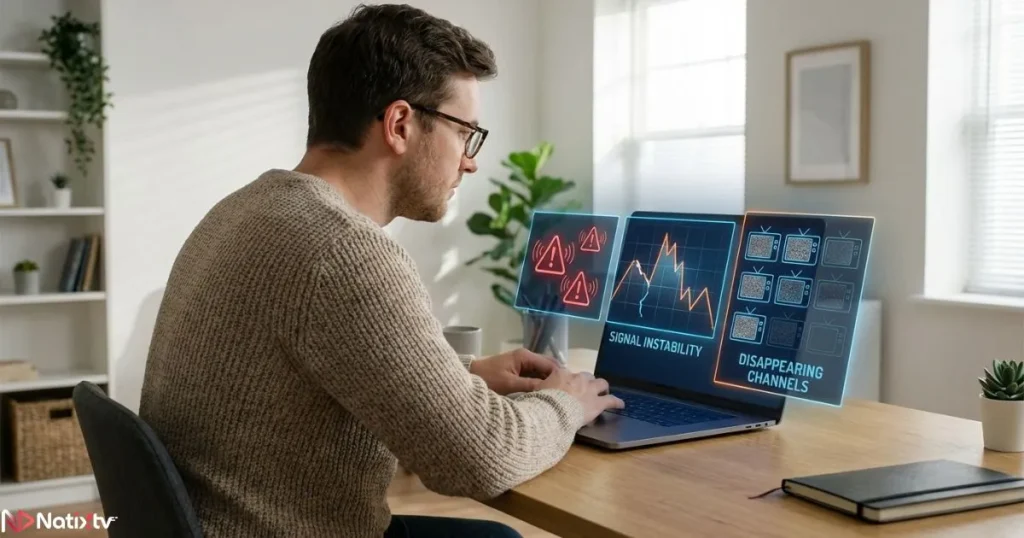
In many cases, iptv providers shut down after showing clear warning signals. Learning to recognize them helps you act before it is too late.
Technical red flags
- Frequent buffering across multiple channels
- Servers changing every few weeks
- Channels disappearing without explanation
Business transparency issues
- No official website or company identity
- Support limited to messaging apps
- Prices that seem unrealistically low
If several of these signs appear together, the risk of disruption increases significantly.
Understanding real IPTV risks before committing
Even when a service is working, IPTV risks remain part of the equation. Knowing them helps you make informed decisions.
- Legal uncertainty depending on your country
- Security concerns related to third-party apps
- Service instability due to enforcement actions
This does not mean all IPTV is unsafe, but it does mean blind trust is risky.
How to reduce your exposure to IPTV shutdowns
You cannot control the market, but you can control how you engage with it. Many users avoid problems even when iptv providers shut down by following a few practical rules.
Choose flexibility over long commitments
Monthly plans reduce financial exposure. Free trials allow you to test stability before paying. This is why platforms that offer trials stand out as safer options.
Look for clear communication and compatibility
Reliable services support multiple devices, publish clear setup guides, and communicate openly. Resources that explain how to select a quality IPTV service can help you make smarter choices.
For example, guides that focus on evaluating streaming quality and reliability are far more useful than simple price comparisons. You can explore in-depth advice through articles that explain how users assess quality and performance when selecting a service.
Comparison of high-risk versus safer IPTV services
| Criteria | High-risk services | More reliable services |
|---|---|---|
| Free trial | None offered | 24 to 48 hours available |
| Device support | Limited or unclear | Smart TV, mobile, PC, tablet |
| Support | Unresponsive or informal | Structured support channels |
| Shutdown risk | Very high | Lower but never zero |
What to do if your IPTV service disappears
If iptv providers shut down while you are subscribed, acting quickly can limit damage.
- Stop using the application immediately
- Avoid sharing personal details with unknown contacts
- Do not reuse the same login information elsewhere
- Research alternatives carefully before switching
Choosing a safer IPTV alternative today
Many viewers are now prioritizing stability over hype. Services that offer trials, wide compatibility, and transparent communication tend to earn long-term trust.
This article is written for Natixtv, a platform that provides IPTV subscriptions compatible with many devices and includes a 24 to 48 hour trial period. Testing before committing helps you avoid frustration if iptv providers shut down elsewhere.
If you are exploring regional options, understanding how IPTV works in different markets is also useful. Insightful resources that discuss how modern IPTV solutions operate in the United States can give you additional perspective on service reliability and availability.
FAQ about IPTV Providers Shut Down
Why do iptv providers shut down so suddenly?
Most shutdowns occur due to legal enforcement or infrastructure seizures, which happen quickly and without user notifications.
Are IPTV shutdowns becoming more common?
Yes. Increased enforcement and cooperation between rights holders and ISPs have led to more frequent disruptions.
What happens to my subscription when iptv providers shut down?
In most cases, access is lost permanently and refunds are not available.
Are all IPTV services unsafe?
No, but risks vary widely. Choosing services with trials and transparency reduces exposure.
How can I lower my IPTV risks as a user?
Avoid long-term payments, test services first, and stay informed about industry changes.
Final thoughts and next steps
The reality is clear. As enforcement grows, iptv providers shut down more often than ever before. You cannot eliminate risk completely, but you can manage it intelligently.
By choosing flexible plans, testing services before committing, and staying informed, you protect both your budget and your viewing experience. If you are ready to explore a stable option with a trial-first approach, start by visiting a best iptv provider that values transparency and compatibility.
In a market shaped by constant change, informed choices are your strongest defense.
For broader context on digital enforcement and streaming regulation, you can also review reporting from trusted industry sources such as BBC Technology, which regularly covers developments affecting online streaming services.