Remember when watching television simply meant turning it on? No passwords, no billing reminders, no wondering which platform carries the show you want. That ease is part of what makes free IPTV so appealing to millions of viewers worldwide. The promise of streaming live TV through your internet connection, at zero cost, is genuinely exciting and very real, within certain limits.
But “free” carries a lot of weight depending on where you are and what you are clicking. For anyone exploring iptv in usa, understanding how free streaming TV actually works, where the content comes from, and what trade-offs come with it, can save you real frustration and even some legal headaches.
This guide breaks it all down so you can make a smart, informed decision about how you want to watch.
Table of Contents
What Is Free IPTV and How Does It Work?
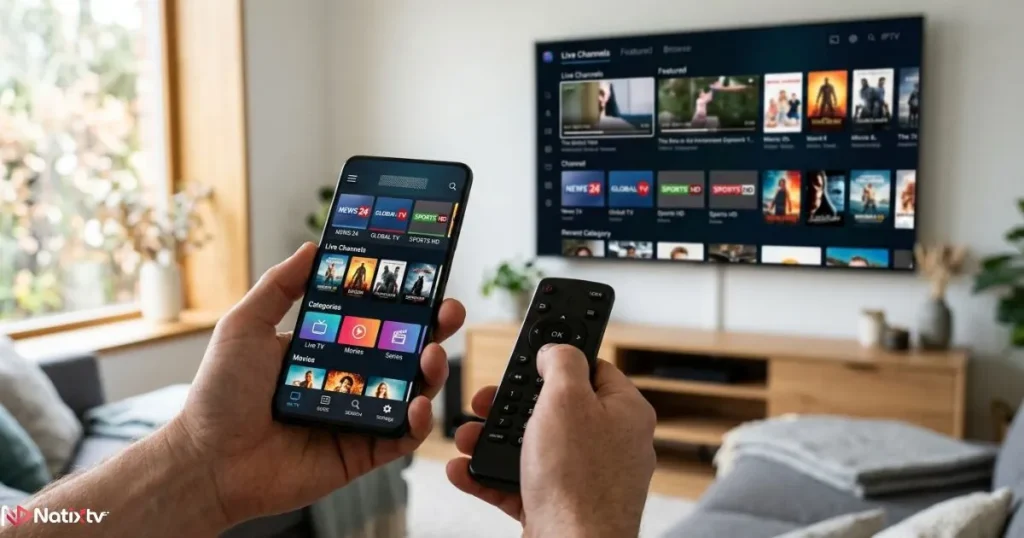
IPTV stands for Internet Protocol Television. Instead of receiving a broadcast signal through a cable or satellite dish, you receive video content over your internet connection. The shift sounds technical, but in practice it means you can watch live channels and recorded content on virtually any connected device.
The word “free” does not always mean the same thing across services. It can refer to several distinct models:
- Ad-supported platforms that are fully legal and funded by advertising revenue
- Open-source playlists compiled from publicly available streams
- Unlicensed services that redistribute premium content without authorization
- Short-term trials offered by legitimate paid providers
Understanding which type you are dealing with is the first and most important step. On a technical level, free IPTV typically uses protocols like HLS (HTTP Live Streaming) or MPEG-TS to deliver video in real time. You access it through an app, a media player like VLC, or a dedicated application on your device.
The Four Streaming Models Behind Free IPTV
Ad-Supported Platforms: The Legal Path
The safest version comes from FAST platforms, which stands for Free Ad-Supported Streaming Television. These services hold genuine licensing agreements and give you access to live channels and on-demand content in exchange for watching advertisements. Think of it as internet-based television that works exactly like broadcast TV once did.
Established options include Pluto TV, Tubi, Samsung TV Plus, and the free tier of Peacock. You are watching legally, with no risk to your device or your account. The trade-off is a content library that skews toward older titles and niche programming.
| Platform | Live Channels | On-Demand | Ads | Legal Status |
|---|---|---|---|---|
| Pluto TV | 250+ | Yes | Yes | Fully legal |
| Tubi | Limited | Yes | Yes | Fully legal |
| Samsung TV Plus | 100+ | No | Yes | Fully legal |
| Peacock Free | Limited | Partial | Yes | Fully legal |
Open-Source and Community Playlists
A step into greyer territory, this approach relies on community-maintained M3U playlists, often hosted on platforms like GitHub. The most well-known is the iptv-org project, which aggregates thousands of publicly available streams from broadcasters around the world. You load an M3U URL into a player like VLC, Kodi, or TiviMate and browse from there.
Reliability is the core problem. Streams go offline without warning, and the legality of any given link depends on your country and the broadcaster’s terms of service. If you go this route, using a reliable VPN and checking local regulations first is strongly advisable.
Unlicensed IPTV Services
This is the model most people picture: thousands of live free IPTV channels, sports, premium content, all at no cost. It is also the most dangerous. These services obtain and redistribute licensed content without authorization, often through Telegram bots or informal reseller panels. The risks are significant:
- Using these services is illegal in the US, the UK, and across the EU
- Unofficial apps regularly carry malware designed to harvest your personal data
- Your ISP can detect and throttle IPTV traffic
- Services disappear overnight with no warning and no recourse
Enforcement bodies like the Alliance for Creativity and Entertainment (ACE) and Europol have run coordinated operations targeting exactly these networks. The risk is not theoretical, and it grows each year.
Free Trials from Legitimate Providers
The fourth model is arguably the most useful. Many reputable IPTV providers offer a 24 to 48-hour free trial, giving you full access to their channel library, HD and 4K streams, VOD content, and customer support, with no payment required upfront. Natixtv offers exactly this: a complete preview of a professional subscription before you commit to anything.
This is fundamentally different from permanently free alternatives. You are testing a stable, licensed infrastructure, not rolling the dice on an unknown source.
Where Does the Content Come From?
On the legal side, free IPTV channels come from public broadcasters who publish their own streams online, from licensing deals between FAST platforms and studios, and from Creative Commons or royalty-free content networks.
Community playlists pull from publicly available stream URLs, though the legality depends on each broadcaster’s terms. At the least legitimate end, pirated services capture and re-broadcast licensed content without authorization, directly harming the creators and networks who produced it. Major enforcement actions have increased significantly in recent years across North America and Europe.
The Genuine Benefits of Free IPTV Streaming
Despite the caveats, there are real and meaningful reasons why this category attracts such a large audience. Here is what you actually gain when you use it responsibly:
- Zero cost entry: You can explore live TV and on-demand content with no financial commitment, which is especially useful if you have never tried IPTV before.
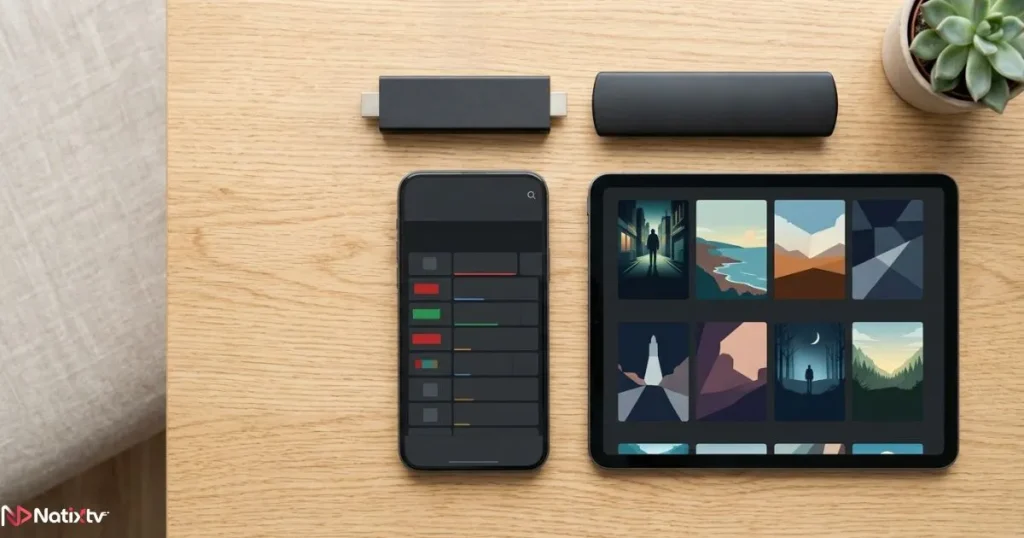
- Device flexibility: Compatible with smartphones, tablets, smart TVs, Amazon Firestick, Android TV boxes, and desktop computers.
- International programming: Community playlists in particular can surface foreign-language channels that are simply unavailable through cable in your region.
- No contracts: You can stop at any time with no cancellation fees or complicated processes.
- Discovery value: Exploring free options is one of the best ways to figure out what you actually want from a paid subscription before you invest in one.
The FAST segment alone has grown at over 30% per year in recent years, driven largely by cord-cutting households across North America. For anyone looking for iptv in usa with a solid understanding of their options, starting with these legal free platforms is a genuinely smart move.
The Limitations You Need to Understand
Content and Quality Gaps
Stream quality on free platforms is often inconsistent, ranging from acceptable HD to frustratingly unstable standard definition depending on server load and source reliability. Premium live sports, newly released films, and pay-per-view events are almost always behind a paywall. If variety and quality matter to you, you will feel these limitations quickly.
Legal and Security Risks
For services operating outside the law, the risks are concrete and growing. ISPs can detect unusual streaming traffic and throttle your connection. Users in several countries have received legal notices. Apps from unofficial sources regularly contain malware. Before choosing any provider, it is worth going through a thorough checklist of what to verify before you order, covering uptime guarantees, licensing transparency, and customer support availability. You can find a practical resource at this guide on buying IPTV with confidence.
Reliability and Support
With unlicensed or open-source services, there is no customer support when something stops working. Stream links expire without notice. EPGs (Electronic Programme Guides) are rarely included, so you often have no idea what is coming on next. Recording features are almost never available. The experience is functional at best and deeply frustrating at worst.
If you use a Firestick or an Android TV device, it is also worth making sure you are running a stable and secure player. A dedicated overview of the best IPTV apps for Firestick can help you avoid wasting time on unstable options.
Free IPTV vs. Paid IPTV: A Practical Comparison
| Feature | Free IPTV | Paid IPTV (e.g., Natixtv) |
|---|---|---|
| Monthly cost | $0 | Low monthly fee |
| Channel count | Variable (10 to 500+) | 10,000+ channels |
| Stream quality | SD to HD (inconsistent) | HD and 4K (stable) |
| VOD library | Limited | Extensive |
| Legal status | Varies by service | Licensed service |
| Customer support | None | 24/7 support |
| EPG (TV guide) | Rarely included | Included |
| Free trial | Not applicable | 24 to 48 hours (Natixtv) |
| Device compatibility | Limited | Multi-device |
The gap becomes most visible when something goes wrong or when you want to watch something specific. A service like Natixtv, fully compatible with Smart TVs, Android and iOS devices, MAG boxes, Firestick, and more, is where the real experience begins.
How to Start with Free IPTV Safely
If you want to explore your options without unnecessary risk, here is a practical path forward:
- Start with a legal platform: Pluto TV, Tubi, or Samsung TV Plus give you a genuine taste of IPTV without any legal ambiguity.
- Use a trusted player: VLC is free and reliable. TiviMate and IPTV Smarters work well on Android and Firestick.
- Load your playlist or credentials: Enter your M3U URL or provider login to access your channel list.
- Configure your EPG: A programme guide makes the experience feel far more like real television.
- Add a VPN if testing unknown sources: This protects your privacy, though it does not change the legality of what you access.
- Try a premium trial: A 24 to 48-hour trial from Natixtv gives you the clearest picture of what a quality subscription actually delivers.
Ready to move beyond the trade-offs? Natixtv offers a full-access free trial lasting 24 to 48 hours, with no payment required upfront. You get thousands of HD and 4K channels, an extensive VOD library, an included EPG, and multi-device support from day one. For anyone serious about finding a reliable, legal, and complete IPTV experience, this is the smartest place to start.
Frequently Asked Questions About Free IPTV
What exactly is free IPTV and how does it differ from cable or satellite TV?
Free IPTV is television content delivered over the internet at no direct cost to the viewer. Rather than receiving a broadcast signal through a coaxial cable or dish, your device streams video using internet protocols like HLS or MPEG-TS. The main difference from cable or satellite is flexibility: you can watch on almost any device, in any location with a connection, with no fixed hardware or installation required.
Is it legal to use free IPTV services?
It depends on which service you use. Ad-supported platforms like Pluto TV and Tubi are fully legal in the markets where they operate. Open-source community playlists sit in a grey area that varies by country and specific content. Unlicensed IPTV services are illegal in the US, the UK, and across the EU. Always verify the status of any service before committing, and check the regulations in your country if you are uncertain.
Can I watch live sports through free IPTV channels?
Rarely through legal platforms. Major sports rights, including NFL, NBA, Premier League, and Champions League, are expensive licensed content. Legal free services almost never carry them. If live sports are a priority, a paid IPTV subscription is the only consistent and responsible solution. Unlicensed services sometimes offer sports streams, but the legal and security risks involved are not worth it.
Why does free IPTV keep buffering or dropping out?
Server infrastructure costs money. Services that offer content for free, especially unauthorized ones, operate with minimal server investment. When too many users connect at once, quality drops or the stream fails entirely. Stream links on community playlists also expire without warning. This unreliability is one of the clearest differences between free and paid options, and it is where dedicated server infrastructure makes a significant real-world difference.
How is a free trial different from a permanently free IPTV service?
A free trial from a provider like Natixtv gives you temporary access to a full, stable, licensed service with thousands of channels, HD and 4K quality, a complete VOD library, an EPG, and real customer support. A permanently free service, by contrast, comes with significant trade-offs in content selection, stream stability, and legal risk. The trial is the best way to experience professional IPTV without any financial commitment before deciding.
Is Free IPTV Worth It: A Balanced Answer
Free IPTV is real, and for the right use cases, it delivers genuine value. Ad-supported platforms give you legal, stable access to a broad range of content at zero cost. Community playlists open the door to international programming and niche channels. And free trials from legitimate providers let you experience premium IPTV without spending anything upfront.
At the same time, the limitations are consistent and real. Stream quality is unpredictable. Premium content, especially live sports and new releases, is almost always out of reach on legal free platforms. Unlicensed services carry legal and security risks that simply do not justify the short-term gain.
The smartest approach is to use free options as a starting point and a discovery tool, then graduate to a paid service when you are ready for something reliable. If you are serious about what internet television can actually offer, a provider like Natixtv makes that transition effortless, with a full 24 to 48-hour trial, multi-device compatibility, and everything a proper subscription delivers. When you are ready for the real thing, iptv in usa with Natixtv is exactly where to go.